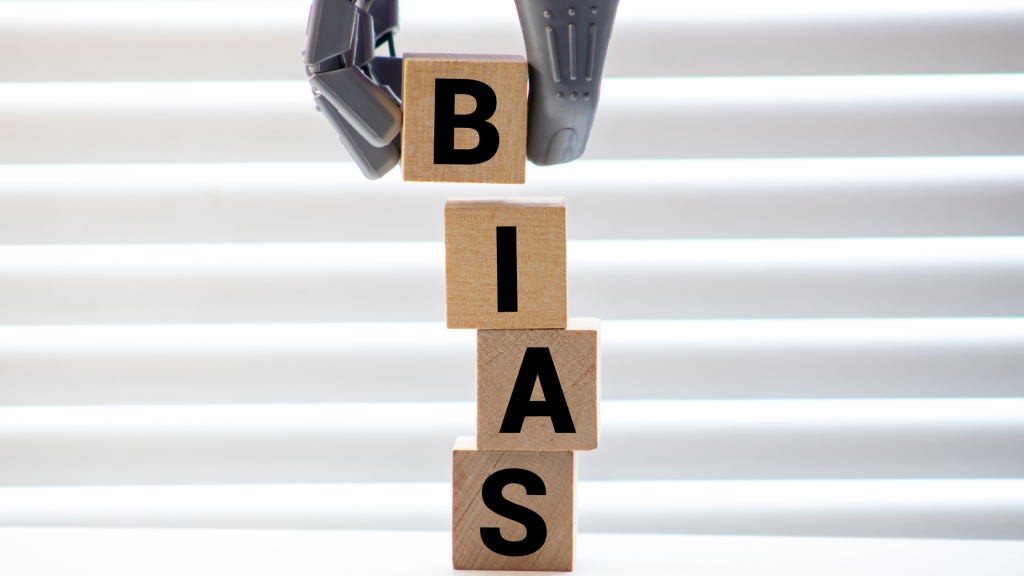
In an industry that thrives on innovation and creativity, our potential is hindered by unconscious biases that continue to limit the diverse voices and perspectives that could fuel our growth. It’s a challenge that affects our bottom line but also undermines the essence of what technology stands for progress, inclusivity, and the power to change the world for the better.
The issue of tech bias is not just about numbers and statistics; it’s about the countless individuals who have faced barriers, discrimination, and missed opportunities because of biases they might not even be aware of. I understand the frustration and discouragement in our industry when these biases persist.
Identifying the Different Forms of Bias in Tech
You might be surprised to discover just how insidious these biases can be. It’s not always blatant or intentional; often, it lurks beneath the surface, concealed in how we write code, design products, or even interact with our colleagues.
Think about it for a moment. There’s gender bias, where women are underrepresented and often face discrimination. Racial bias, where individuals from diverse backgrounds may find themselves sidelined or overlooked. Age bias can undermine the valuable insights that come with experience. These biases can manifest in hiring decisions, project allocations, and even in the algorithms we create.
The Impact of Tech Bias on Diversity and Innovation
Now, let’s talk about the real-world consequences of tech bias – it’s not just a theoretical concern; it’s a roadblock to progress. When we allow bias to seep into our work, we inadvertently limit the diversity of thought and experience for innovation.
The incredible potential that lies untapped when talented individuals are discouraged from pursuing tech careers due to bias. We’re missing out on groundbreaking ideas, fresh perspectives, and unique solutions that could propel our industry forward. Tech bias doesn’t just affect those who face it directly; it impacts all of us by stifling innovation and creativity.
5 Powerful Strategies to Break Tech Bias
Strategy 1: Awareness is Key
Awareness means recognizing that bias, even when unintentional, can have significant consequences. It’s about understanding that it’s not a matter of ‘if’ bias exists but ‘how’ it manifests in our work and interactions.
To turn this negative into a positive, we must foster an environment where everyone is encouraged to self-reflect and become more self-aware. It isn’t about assigning blame; it’s about collectively owning the responsibility to combat bias.
- Start by taking a moment to reflect on your own biases.
- Consider the assumptions you make, the decisions you’ve taken, and the people you’ve interacted with.
- Challenge yourself to be open to new perspectives and be receptive to feedback from colleagues who might point out biases you hadn’t noticed.
Making awareness a daily practice set the stage for a transformative shift in the tech industry. It’s a small yet vital step toward creating a more inclusive and innovative future.
Strategy 2: Diverse Recruitment
When we talk about diverse recruitment, it starts right at the heart of the hiring process – the people making the decisions. A diverse panel of interviewers ensures different perspectives and experiences when evaluating candidates. They bring fresh ideas, creativity, and a broader range of problem-solving approaches.
Here’s how you can implement diverse recruitment practices:
- Form Diverse Hiring Teams: Ensure that the teams responsible for hiring are themselves diverse. This diversity will naturally lead to more inclusive hiring decisions.
- Implement Blind Recruitment: Remove personal information, such as names and photos, from initial job applications. It helps mitigate biases related to gender, race, and other personal characteristics.
- Showcase Diverse Role Models: Highlight the success stories of individuals from underrepresented groups in your industry. It can inspire and encourage others to pursue tech careers.
Actively pursuing diversity in your recruitment efforts can transform the tech industry into a place where talent thrives, regardless of background or identity.
Strategy 3: Creating an Inclusive Work Environment
The workplace is where biases can become most pronounced and harmful. To turn this negative into a positive, we must create an atmosphere where everyone feels valued, respected, and included.
Here’s how to promote inclusivity in your work environment:
- Cultivate a Culture of Inclusivity: Make inclusivity a core value of your company culture. Ensure that all employees understand its importance and actively promote it.
- Address Microaggressions and Stereotypes: Challenge and address microaggressions when they occur. Encourage open and respectful dialogue about bias-related issues. Provide resources for education and growth.
- Turn Negative Experiences into Learning Opportunities: When bias incidents occur, view them as opportunities for growth and improvement. Use them to reinforce your commitment to inclusivity and to educate your team on the importance of equity.
Creating an inclusive work environment isn’t just about mitigating bias; it’s about building a workplace where everyone can thrive.
Strategy 4: Continuous Education
Learning is an ongoing process, and when it comes to diversity, equity, and inclusion, there is always more to discover and understand.
Here’s how to incorporate continuous education into your efforts:
- Diversity and Inclusion Training: Provide regular diversity and inclusion training sessions for all employees. These sessions should cover topics like bias awareness, inclusive language, and cultural competence.
- Encourage Broadened Perspectives: Encourage employees to broaden their horizons and seek diverse perspectives. Support attendance at conferences, webinars, and events that promote inclusivity and diversity.
- Leverage Technology for Learning: Utilize technology platforms and tools to make educational resources accessible to everyone. Online courses, webinars, and e-learning modules can help facilitate continuous education.
Continuous education ensures that the awareness and commitment to overcoming bias remain at the forefront of your organization’s culture.
Related: Creating a Personalized Learning Management System Using a No-Code Platform
Strategy 5: Data-Driven Decision-Making
Data-driven decision-making, empowers you to turn the tide against tech bias with concrete evidence and informed choices. Harnessing data can identify areas where bias may persist and measure progress toward a more inclusive tech industry.
- Leverage Data Analytics: Utilize data analytics to track diversity metrics within your organization. Measure representation across gender, race, age, and other dimensions. Identify any disparities or trends.
- Objective Decision-Making: Encourage teams to base their decisions on data and evidence rather than gut feelings or assumptions. Implement clear and fair performance evaluation processes.
- Turn Data Insights into Action: Use the data insights you gather to inform your diversity and inclusion strategies. If you identify areas where bias persists, take proactive steps to address them.
Data-driven decision-making provides a clear path to breaking tech bias and demonstrates your commitment to transparency and accountability.
Conclusion
The journey to break tech bias is not just a mission; it’s a collective vision for a brighter future in the tech industry. We’ve explored five powerful strategies, from raising awareness to data-driven decision-making, that hold the key to dismantling unconscious bias.
But remember, the power for change lies within each of us—founders, developers, designers, and innovators alike. It’s up to us to embrace diversity, foster inclusivity, and champion equity. Let’s not merely dream of a tech industry that celebrates the uniqueness of every individual; let’s build it together.
If you’re inspired by these strategies and want to bring your tech idea to life, MVP.dev is your partner in turning your dreams into reality. Together, we can make the tech industry a place where innovation knows no bounds and where every voice, every perspective, and every individual plays a vital role in shaping the future. Let’s break tech bias and build a better world through technology.
Turn the insight into an operating decision
Use the article to sharpen the question, then fix the system.
If the problem behind this article is showing up inside your business, the next move is usually an audit, a workflow conversation, or a scoped implementation decision.
